You do not need a premium budget to hit a high protein target. The cheapest sources, ranked by protein per dollar, are dried legumes, eggs, milk and cottage cheese, canned tuna, chicken thighs, and whey powder. Build most meals around those six and a woman training hard can hit 120 grams a day for a few dollars.
What are the cheapest sources of protein per dollar?
Here is the working ranking. Prices bounce around by store and season, so treat this as order-of-magnitude, not a receipt.
- Dried lentils and beans. The value champion. Pennies per serving, around 18 grams of protein per cooked cup, and they bring fiber you were probably short on anyway. Buy them dry, not canned, and the price drops again.
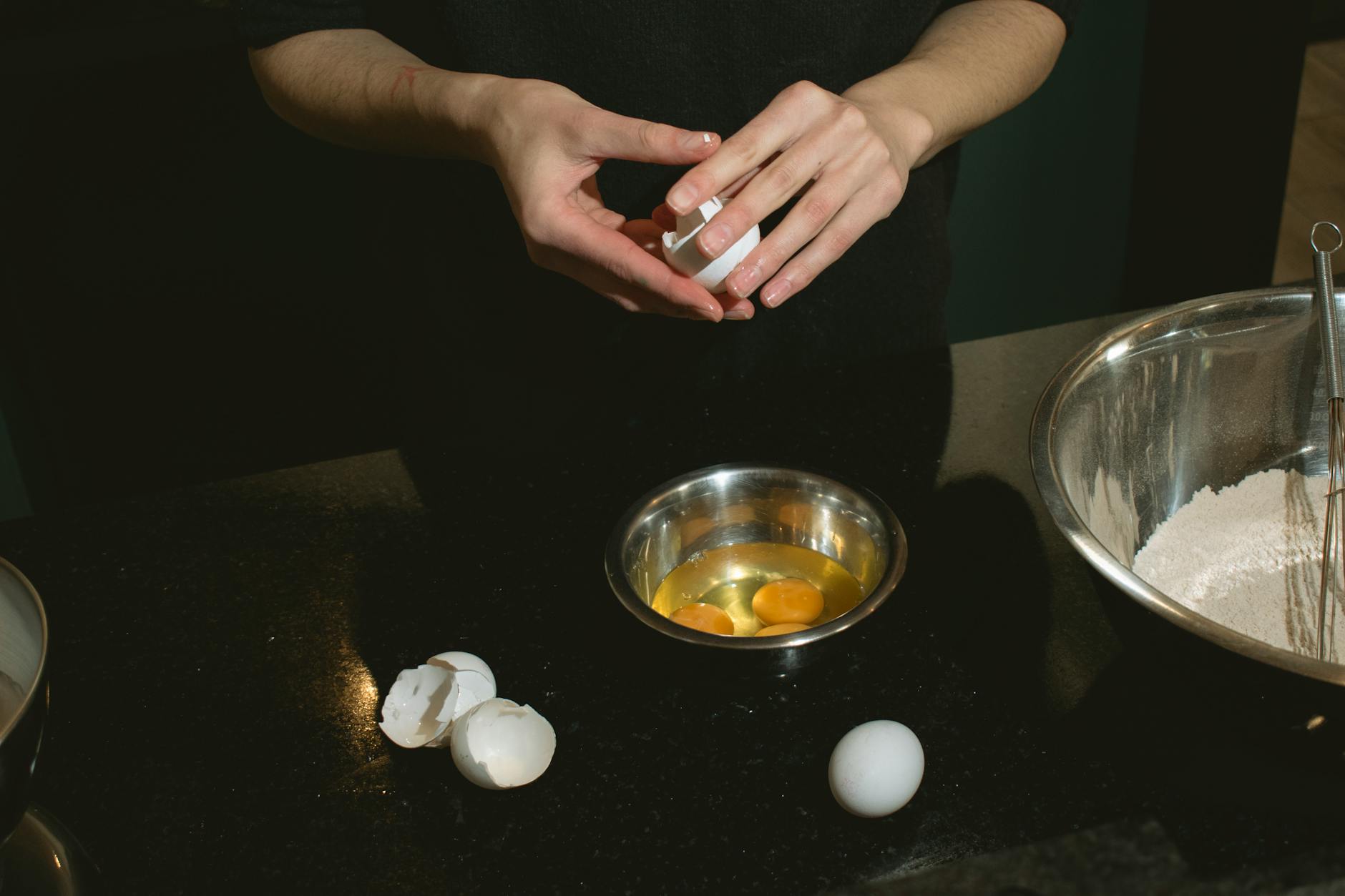
- Eggs. Roughly 6 grams each, endlessly flexible, and priced to move even when the news says otherwise. A dozen covers a lot of breakfasts.
- Milk and cottage cheese. Milk gives you 8 grams a cup for very little. Cottage cheese is the quiet hero, often 24 grams per cup, and it doubles as breakfast or a savory snack.
- Canned tuna and canned salmon. Around 20 grams a can, no cooking, keeps for years. Tuna is the cheaper of the two.
- Chicken thighs. Skip the breast markup. Thighs run cheaper per pound, carry more flavor, and forgive you if you overcook them. Buy the big bag, freeze in portions.
- Whey powder. People assume it is a splurge. Per gram of protein it is one of the cheaper options on this list, and a tub lasts weeks. Buy the large size and skip the single-serve packets.
Examine’s protein guide lands on 1.6 to 2.2 g/kg as the useful range for building muscle (Examine, Optimal Protein Intake Guide), and every gram of that is reachable from the list above without touching a specialty aisle.
How do I hit a high protein target cheaply?
Strategy beats willpower here, and it comes down to three habits.
Buy the big pack. The per-gram price on a family-size bag of chicken thighs or a large tub of whey is a fraction of the small version. Freezer space is cheaper than the convenience tax. Portion it out when you get home so future-you does not have to think.
Cook in batches. A dozen hard-boiled eggs on Sunday, a pot of lentils, a tray of thighs, and half your week’s protein is already handled. The reason people overspend on protein is usually the last-minute scramble, not the food itself. A rotisserie chicken at 6pm on a Tuesday costs more than the same protein you prepped when it was on sale.
Anchor every meal, then top off. Start each meal with a cheap protein source, then use whey to close whatever gap is still open before bed. Powder is a finisher, not a foundation. If you want the target calculated from how you train instead of a generic number, the app handles that, and the FAQ explains how the floor gets set.
What does a cheap high-protein day look like?
Let me build one for a 68 kg woman aiming at about 120 grams.
Breakfast: three eggs and a cup of cottage cheese. Around 40 grams, and you have barely touched your wallet. Lunch: a can of tuna over a cup of lentils with whatever seasoning you like. Another 38 or so, and the fiber keeps you full past 3pm. Dinner: a portion of chicken thighs with rice and vegetables, call it 35. You are at 113 for the day. A cup of milk or a small scoop of whey closes the last gap.
That entire day costs less than one restaurant salad and lands within the muscle-building range. No barcode scanning, no boutique bars, no protein-branded water. Just the same short list of ingredients on rotation, which is what a sustainable plan actually looks like when you stop chasing novelty.
If precise weighing is what usually kills your tracking, our guide to tracking macros without weighing every meal shows the looser method, and you can talk your meals into the app rather than typing them into a spreadsheet that makes you resent your own lunch.
The takeaway
High protein and low budget are not enemies. The cheapest foods on the list, legumes, eggs, dairy, canned fish, thighs, and whey, are also some of the most useful, and the method is simple: buy big, cook ahead, and build each meal around a protein anchor. Do that and the grocery bill stays boring while your daily number gets hit. That is exactly the arrangement you want.
Download TrakMac
TrakMac makes protein the floor of your day and lets you log by talking, so hitting a budget target does not turn into a second job. Say what you ate, confirm the estimate, keep moving. It lands within about ten percent on common meals, close enough to hit a number you can hold on any budget.
Download TrakMac free. iOS, free to download.