High protein meals have a branding problem: the phrase conjures dry chicken, sad rice, and a plastic container of penance. But hitting 40g of protein at a meal has nothing to do with eating like you’re being punished, and if you’re a woman who trains, runs, or hikes and wants to keep her muscle through her 40s, 50s, and beyond, it’s less about restriction and more about finally eating enough of the right thing.
The 40g formula: palm-and-a-half, volume, flavor
Every satisfying high protein meal is three decisions.
Protein: a palm-and-a-half. That’s roughly 6 ounces of cooked chicken, salmon, or lean beef, or about 40g of protein. No scale, just your own hand, which conveniently travels with you. Two palms if your hands are small or your training day was big.
Volume: fill the rest of the plate. Roasted vegetables, a pile of greens, roasted potatoes, rice, beans. Volume is what makes a meal feel like a meal instead of a ration.
Flavor: a real sauce or seasoning. Chimichurri, salsa verde, tzatziki, peanut sauce, a good vinaigrette, harissa yogurt. This is the difference between food you eat for six months and food you quit by February. Sauce is not cheating. Sauce is compliance strategy.
That’s the whole formula. Estimates like “a palm-and-a-half is about 40g” are training-grade, close enough to build muscle on, not clinical measurements. If a doctor or registered dietitian has you on specific numbers for a health condition, follow their protocol instead.
Bowl templates: the same five minutes, different dinner
Bowls are the workhorse of high protein meal ideas because they’re assembly, not cooking:
- Mediterranean: greens and quinoa, grilled chicken, cucumber, olives, feta, tzatziki. About 45g with the feta.
- Burrito: rice, seasoned ground turkey or steak, black beans, salsa, avocado. Beans push this past 45g.
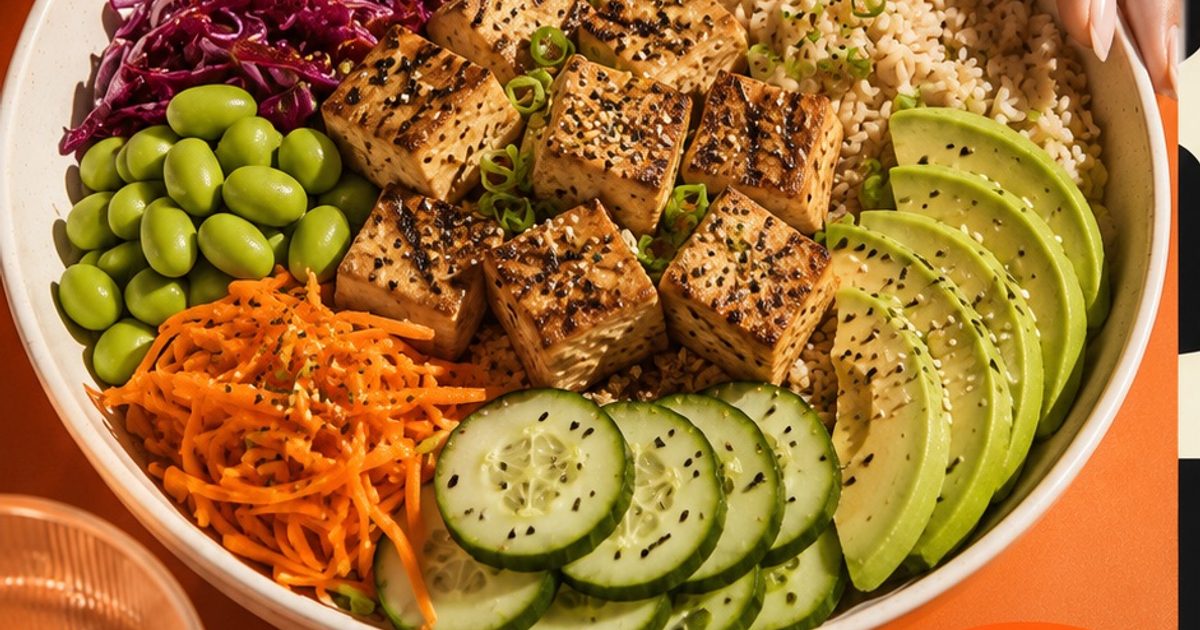
- Asian-ish: rice, salmon or rotisserie chicken, edamame, shredded carrots, sesame dressing. Edamame quietly adds 8g.
- Harvest: roasted sweet potato, chicken thighs, arugula, goat cheese, pepitas, balsamic. Around 40g.
Same template, four cuisines, and each makes a legitimate high protein lunch you can pack the night before.
Cook once, eat three times
The actual secret of high protein meal prep is not cooking seven bland containers on Sunday. It’s batch-cooking protein only, then assembling different meals around it all week:
- Sheet-pan of chicken thighs or a couple pounds of taco-seasoned ground beef, 30 minutes, mostly unattended.
- Night one: it’s dinner with roasted vegetables.
- Day two: it’s a bowl at your desk.
- Day three: it’s quesadillas or a big salad the kids will actually share.
One cook session, three meals, zero repeated dinners. The vegetables and sauces rotate, so it never reads as “meal prep food.”
Eating enough is the assignment
Here’s the reframe that matters most for women 35 and up: the risk usually isn’t eating too much protein, it’s eating too little while training hard. Muscle gets harder to build and easier to lose with each decade, and research consistently shows adequate daily protein plus strength work is what pushes back. Chronically undereating protein while running, lifting, and chasing a full calendar is how you end up tired and softer despite doing everything “right.” High protein meals are not a diet. They’re the part of the day where you feed the muscle you’re working for.
Which is also why tracking should take seconds, not minutes. With TrakMac you say “chicken bowl with quinoa, feta, and tzatziki” out loud and the protein is counted before you’ve found a fork. Voice-first, on iOS, built by a husband-and-wife team who eat a lot of bowls. You get a close-enough number every meal instead of a perfect number you stop logging by Thursday.
This week’s version
Batch-cook one protein this weekend. Build the palm-and-a-half formula into two bowls and a dinner. Say each one out loud as you eat it and watch your daily protein land where it should. Download TrakMac free on iOS. Enough protein, real food, ten seconds of logging: that’s the whole system.