 TrakMac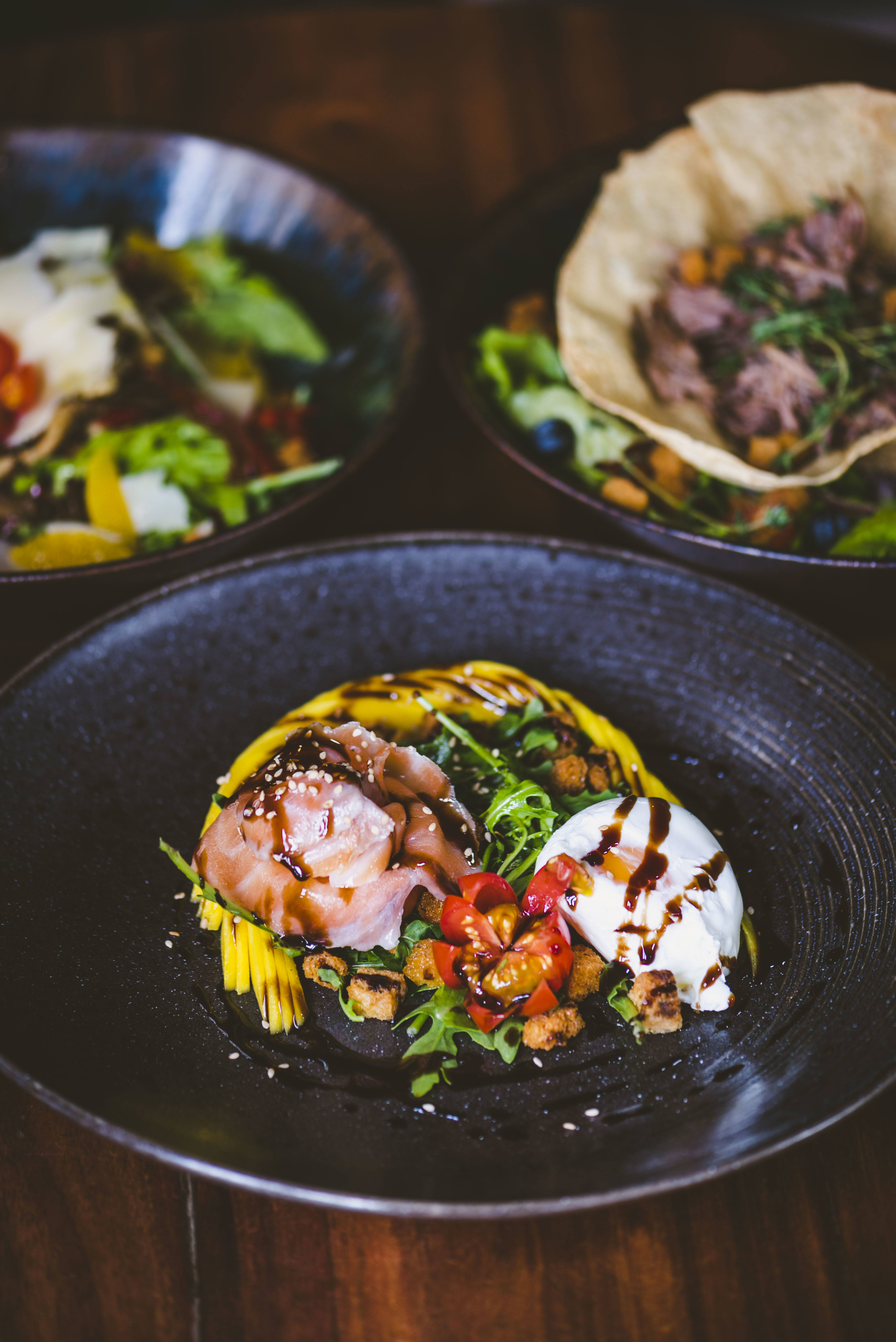
The short version
Photo and voice are the two AI-first ways to log food without searching a database. Photo logging trades control for laziness: point the camera, done, but the camera misses a lot. Voice logging trades a few seconds of talking for control: you tell the AI the portions and ingredients it cannot see. Most people will be more accurate with voice; some people will stick with it longer because photo is lower friction. The honest answer is "it depends on whether you'd rather be precise or be lazy."
How each one works
Photo logging: you take a picture of your plate. A vision AI model looks at the image, identifies the foods, estimates portion sizes from what it can see, and returns calories and macros. You confirm or adjust.
Voice logging: you describe what you ate out loud. The phone transcribes your speech, a language model reads the description, estimates the macros (often per item), and returns the numbers. You confirm or adjust. (More on this in what is a voice macro tracker.)
Both skip the database. Both show you an estimate before anything is saved. The difference is the input the AI gets to work with.
Where photo logging struggles
- Hidden fats. Olive oil on the vegetables, butter in the rice, the cream in the sauce, the dressing pooled under the salad. These can be hundreds of calories and the camera cannot see them. This is the single biggest source of photo-logging error, because fat is calorie-dense and frequently invisible.
- Portions from a 2D image. A chicken breast photographed from above looks the same whether it is six ounces or ten. Depth, density, and what is underneath are all guesses.
- Containers and wrappers. A protein bar in its wrapper, a smoothie in a cup, leftovers in a takeout box. The camera sees packaging, not food.
- Food you already ate. No plate, nothing to photograph.
- Mixed dishes. A casserole, a stir-fry, a burrito bowl with everything jumbled together. The model has to deconstruct what it can see and guess at the rest.
- Lighting and angle. Bad lighting or a weird angle degrades the estimate. You are now doing food photography to track macros.
Where voice logging struggles
- You have to know what you ate. "Some chicken and rice" gets you a generic estimate. "Six ounces of grilled chicken, a cup of jasmine rice, broccoli with a tablespoon of olive oil" gets you a good one. Voice rewards specificity, which means it asks a little of you.
- You can forget things. If you do not mention the handful of nuts, it is not in the estimate. Photo would have caught the nuts if they were on the plate (and missed them if they were not).
- Restaurant prep you cannot see. A restaurant dish might have far more oil or butter than you would guess. But this is true of every logging method, including photo, including database search. Nobody can see the back of a restaurant kitchen.
Accuracy: roughly a wash for typical meals
For common foods and a normal level of effort, both approaches land in a similar range, on the order of plus or minus 10 to 15 percent versus a weighed log. (See how accurate are AI calorie tracking apps.)
Where they diverge:
- A clean single-item plate in good light photographs well. Photo can be tighter there.
- A meal where you genuinely know your portions, or a meal with significant hidden fats, favors voice, because you can state what the camera would miss.
- The biggest variable in either case is not the input mode, it is the user. Someone who carefully states portions beats someone who carelessly snaps a blurry plate, and vice versa. Consistency matters more than which button you press.
Which one should you use
- Photo, if you want maximum lazy. You will not always be accurate, but you will actually do it, and a rough log you keep beats a precise one you abandon.
- Voice, if you cook a lot and want control. Home-cooked food is where photo logging is blindest (all that oil and butter) and where voice shines, because you measured it, or at least you saw it go in.
- An app that does both, ideally, with one as the primary and the other as a fallback for when it is the wrong tool.
What TrakMac does
TrakMac is voice-first: you describe the meal, on-device transcription handles the speech, AI returns the macros, you confirm. The bet is that for the home-cooked and restaurant food most trackers actually eat, telling the AI "two tablespoons of olive oil" is more reliable than hoping a camera spots it. (Photo logging is not in the app, by design, because adding it would dilute the voice-first premise.)
Bottom line
Photo logging is the lower-effort option and the blinder one. Voice logging asks you for a sentence and pays you back with control over the inputs the AI needs most. For everyday tracking aimed at body composition, either one works if you do it consistently. Pick the one you will actually keep doing, and if you cook, lean toward voice.