 TrakMac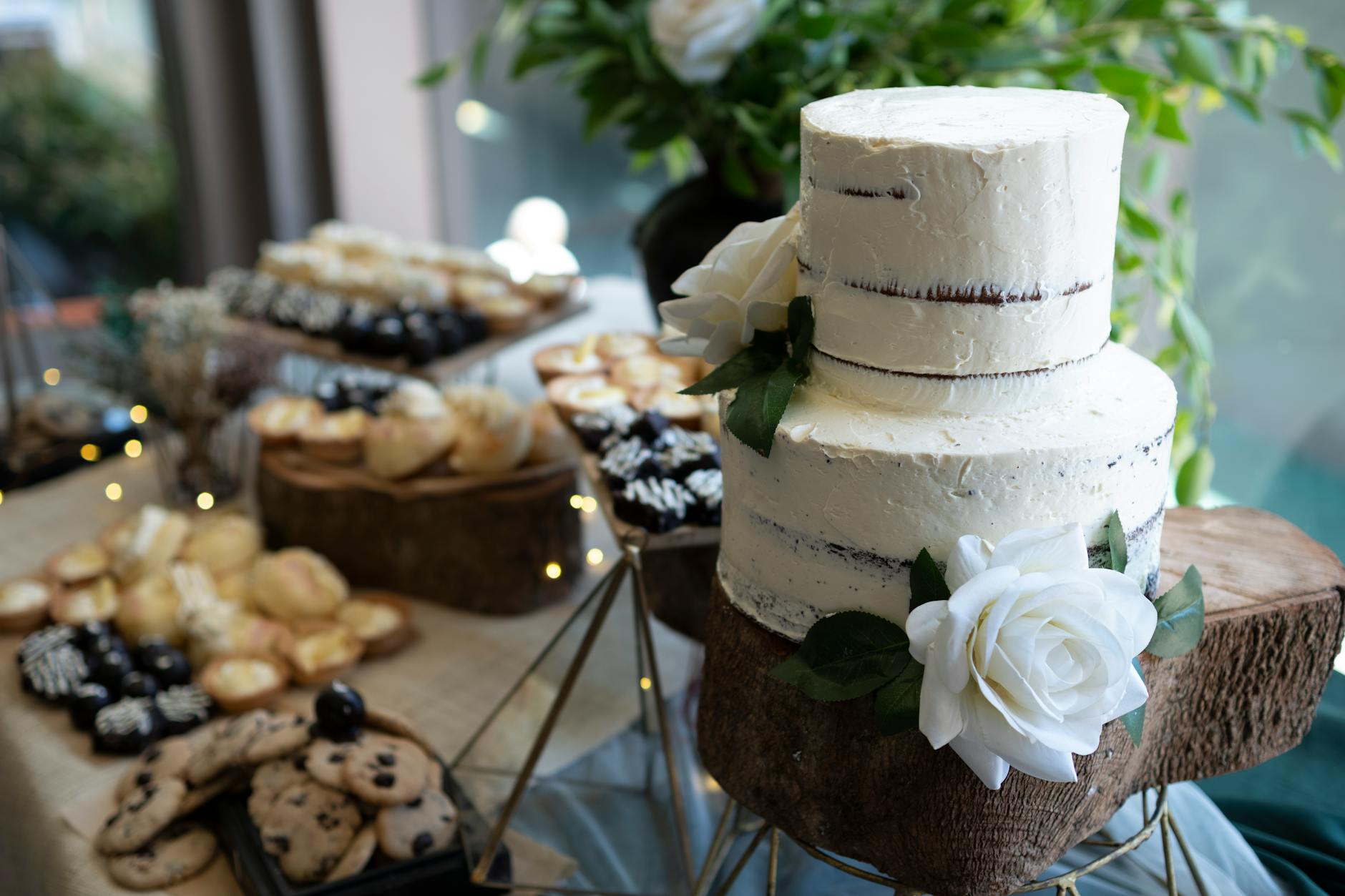
The edge-case tracking problem
Most macro-tracking advice is built for situations where you can identify each food, estimate portions, and log accurately. Buffets, weddings, breweries, food festivals, and similar events are the opposite — many small unlabeled portions, social pressure to keep eating, alcohol confusing satiety signaling, and no realistic way to log in real time.
The perfectionist response is to abandon tracking for the day. The over-strict response is to try to count everything precisely (visibly miserable). The middle path: estimate generously, log promptly, accept ±30-40% accuracy for these meals, and trust the weekly trend.
A few situation-specific playbooks:
At a buffet
Buffets are designed for repeat trips. The goal is to limit unconscious volume creep without becoming the person measuring food on a paper plate.
The plate strategy: Take a single plate. Fill it once intentionally. Eat that plate. Then assess actual hunger before going back. Most buffet over-eating happens on plates 2 and 3, eaten because the food is there, not because of hunger.
The protein-first strategy: Hit the protein station first. Take a generous portion (the protein is the macro most often missed at buffets — the carbs and fats are everywhere). Then add vegetables. Then add carbs and fats to taste.
The estimation framework: A standard buffet plate filled normally is roughly 600-900 calories with 30-50g of protein, depending on what's on it. Two trips puts you in the 1,200-1,800 calorie range with 60-100g protein. Three trips and you're in the 1,800-2,500 range. Use these defaults rather than trying to estimate each item.
Specific buffet types:
- Continental breakfast buffet: Aim for protein (eggs, meat, Greek yogurt). Skip the pastries and danishes. Estimate 500-700 calories per plate.
- Hotel lunch buffet: Protein-and-salad-heavy plates. Estimate 600-900 calories per plate.
- All-you-can-eat sushi: Easier than it looks. Each piece of sushi is roughly 50-80 calories. 20 pieces is about 1,200-1,600 calories with 50-70g protein.
- Vegas-style buffet (no judgment, but extreme): These are calorie traps. If you go, accept the day will be 3,500-5,000 calories and the weekly trend absorbs it.
At a wedding
Weddings have a predictable structure: cocktail hour, dinner, cake, late-night food. The tracking should adapt to the structure rather than fight it.
Cocktail hour: This is where most wedding calorie creep happens. Tray-passed appetizers go down without registering. The strategy: pick 3-5 hors d'oeuvres total and stop. Don't graze.
Estimation: Typical hors d'oeuvre is 50-150 calories. A reasonable cocktail hour is 200-500 calories of food.
Dinner: The plated meal at most weddings is 600-1,000 calories with 30-45g of protein. Eat normally. Don't refuse the bread basket out of principle (the social cost is higher than the calorie cost), but don't have multiple servings of it either.
Cake: A normal slice of wedding cake is 350-500 calories. Have one. Skip seconds.
Late-night food (if served): This is a trap. By midnight, you're hours into eating, possibly drinking, and your judgment is impaired. Pick one item and stop. A pizza slice, a sandwich, fries — each is roughly 300-500 calories.
Alcohol: Beer is 130-200 cal/can. Wine is 120-150 cal/glass. Cocktails range from 150 (vodka soda) to 400+ (most frozen drinks, anything with mixers). Multiply by the realistic number you'll drink, then add 25% for what you actually drank.
Total wedding day estimation: A reasonable wedding evening lands at 2,500-4,000 calories above your normal day's eating. That's a real number; trying to make it 0 is the source of social-life damage. Plan to be over target. Adjust the next 3-4 days slightly down. The body composition impact on a single weekend is recoverable.
At a brewery
The sneaky one. Beer + small snacks + casual social drinking can produce 1,500-3,000 calories without any single decision feeling significant.
Beer math:
- Light beer (Michelob Ultra, Coors Light): 90-110 cal, ~3g carbs
- Standard lager (Modelo, Stella, Heineken): 140-160 cal, ~12g carbs
- IPA / craft beer: 200-280 cal, ~20g carbs
- High-ABV craft (8%+ IPAs, imperial stouts, barrel-aged): 280-450 cal, ~25-35g carbs
Four craft IPAs at a brewery can easily be 1,000+ calories before any food.
The protein gap: Brewery food is usually low-protein and high-carb-and-fat. Pretzels, pizza, fries, bratwurst with bread. The strategy:
- Eat a protein-heavy meal before going (chicken, eggs, Greek yogurt) so you're not relying on the brewery to deliver protein
- If you do order food, prioritize the higher-protein options (burger, brat, sausage plate over pretzels and pizza)
- Accept that protein for the brewery hours will be lower than target, and compensate the next day if needed
The hydration tactic: Alternate beers with water. This isn't just for health — it slows your drinking pace, reducing total alcohol intake meaningfully without requiring willpower.
Total brewery estimation: A normal 3-4 hour brewery session lands at 800-1,500 calories of beer + 500-1,000 calories of food = 1,300-2,500 above a normal afternoon. Plan accordingly.
The general estimation framework for unlabeled food
When you can't pull up a nutrition label, use these defaults:
- Standard restaurant entrée: 600-1,000 calories, 30-50g protein
- Appetizer plate (shared): 600-1,200 calories total, 15-30g protein per person
- Side dish: 200-400 calories, 5-10g protein
- Cocktail (mixed drink): 200-400 calories
- Glass of wine: 120-150 calories
- Beer (standard): 140-180 calories
- Dessert: 350-600 calories, often higher
- Bread basket (typical 3-4 pieces): 250-400 calories
Use these as anchors. Your estimate is going to be ±30-40% off reality regardless. Consistency in defaults beats perfection in any single meal.
The compensation strategy for the next 3-4 days
If you've had an event day at +1,500 to +3,000 calories above target:
- Don't restrict the next day. Eating very low the day after an event produces metabolic and psychological backlash. Just eat at normal target.
- Adjust slightly downward over 3-4 days. 200-400 calories below target each day for 3-4 days nets out the event surplus.
- Train normally. The training session 24-48 hours after a big eating day is often surprisingly good — the glycogen and food volume produced quality fuel for it.
- Don't weigh yourself for 5-7 days. Sodium and food volume from event days produces a temporary scale spike that has no body composition meaning.
The trend lives over weeks. One wedding weekend doesn't change anything that matters. Trying to optimize the day produces friction without benefit.
When to deliberately not track
A real option for some events: just don't track. Pre-decide that the wedding, the family reunion, the multi-day festival is a no-tracking period. Eat normally. Resume tracking the next day.
The argument for: removes friction, removes anxiety, makes the event better.
The argument against: makes resuming tracking harder, removes the data you'd want for the weekly trend.
This is a personal trade-off. For someone in solid recovery from disordered eating, deliberately not tracking events is often the healthier choice. For someone in a tight cut where every weekly trend matters, rough estimation is probably better than no data.
There's no right answer. Pick the version that keeps your overall relationship with tracking healthy.