 TrakMac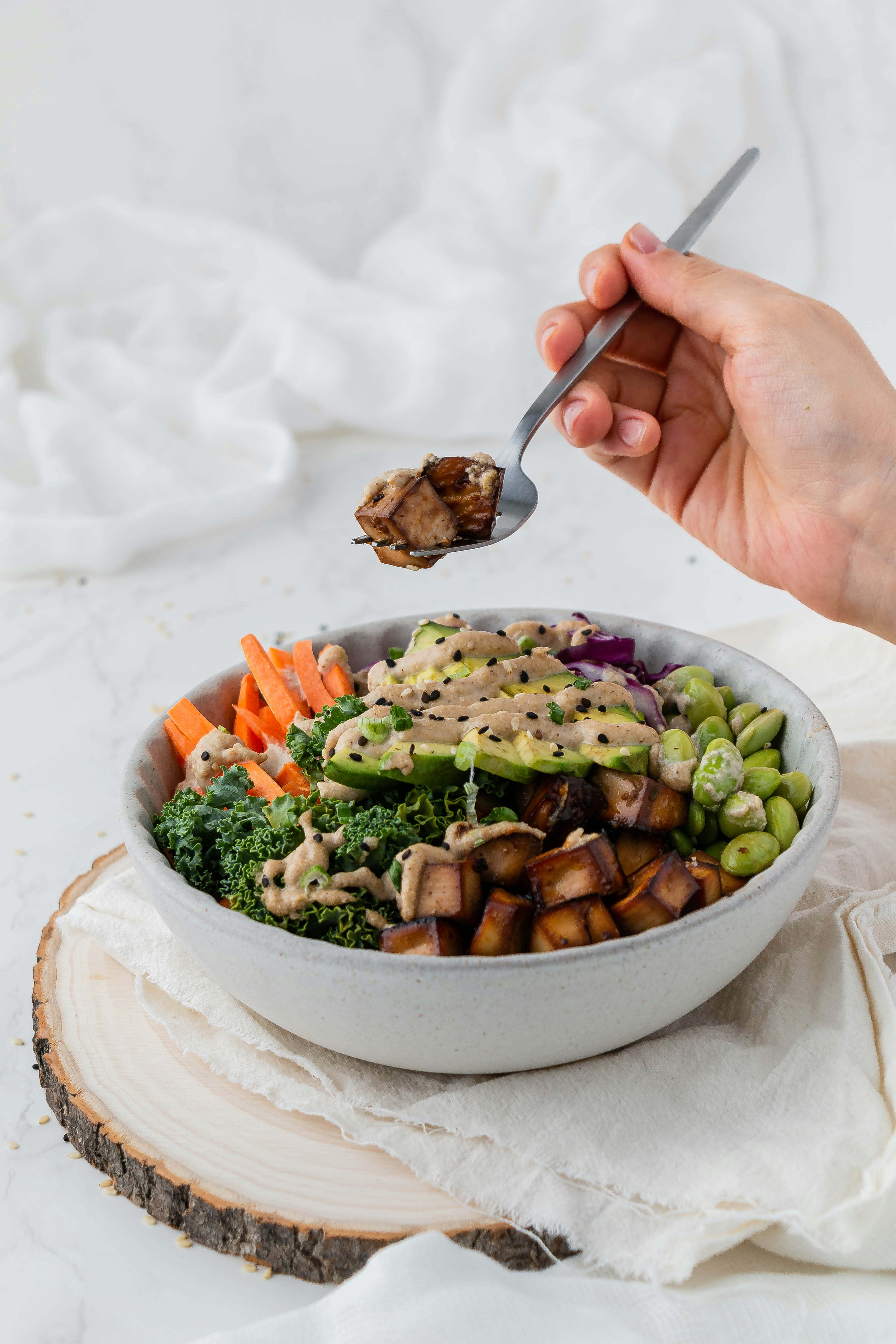
The plant protein adjustment
Plant proteins are not equivalent to animal proteins gram-for-gram. Two main differences make the math different:
Amino acid profile. Animal proteins (meat, eggs, dairy, fish) contain all nine essential amino acids in roughly the proportions humans need. Most individual plant proteins are low in one or more essentials, typically lysine (in grains) or methionine (in legumes). Combining plant sources or eating amino-acid-complete plant proteins (soy, quinoa, buckwheat, hemp) covers the gap.
Digestibility. Animal proteins have digestibility scores (PDCAAS or DIAAS) close to 1.0. Plant proteins range from 0.6 (some grains) to 0.95 (soy isolate). Some of the protein consumed is bound up in fiber and not fully absorbed.
Combined, the practical effect is that 100g of mixed plant protein delivers roughly 80-85g of "animal-equivalent" amino acids that the body can use for muscle protein synthesis.
What this means for protein maxing
The protein maxing target ranges (0.7-1.0 g/lb of bodyweight) were derived from studies on animal-protein-dominant diets. To hit equivalent biological availability on a plant-based diet, the math is:
- Standard target: 0.8 g/lb (160g for a 200-lb athlete)
- Plant-based equivalent: 0.92-0.96 g/lb (185-190g for the same athlete)
This isn't a small adjustment to ignore. A vegan athlete trying to match an animal-protein eater's body composition outcomes needs about 25-30g more protein per day. Over a week that's 175-200g of additional protein, which has real grocery and digestive implications.
The high-quality plant proteins
Not all plant proteins are equally diluted. The ones that come closest to animal protein in amino acid completeness and digestibility:
Soy (whole soybeans, edamame, tofu, tempeh, soy protein isolate): PDCAAS ~1.0. The most complete plant protein. Soy isolate powder is functionally indistinguishable from whey for muscle protein synthesis in head-to-head trials. Tofu and tempeh are nearly as good.
Pea protein isolate: PDCAAS ~0.89. High in lysine, slightly low in methionine. Combines well with rice protein. Increasingly popular in plant-based protein powders.
Hemp protein: PDCAAS ~0.66 but contains all essential amino acids. Better as a supplemental source than a primary one due to lower digestibility.
Quinoa: PDCAAS ~0.73. Complete amino acid profile. Practical for grain-based meals but lower per-calorie than concentrated sources.
Buckwheat: Complete protein, similar to quinoa. Useful for grain bowls and breakfast porridges.
The lower-quality plant proteins (still useful, just less efficient)
Beans (black, pinto, kidney, navy): Limiting amino acid is methionine. Pair with grains (rice, corn) for complete amino acid coverage in the same meal or across the day.
Lentils: Similar to beans, so pair with grains.
Rice protein: Limiting amino acid is lysine. Pair with peas (the complementary amino acid profile is why pea-rice protein blends are so common in plant-based protein powders).
Wheat protein (seitan): Surprisingly high in protein per gram (~25g per 100g), but very low in lysine. Best as a complementary source rather than a primary one.
Nut butters and nuts: Useful but protein-light per calorie. Most are 5-7g protein per 100 calories, fine as supplemental but not as a primary source for hitting targets.
A practical 150g protein day on plants
For a 175-pound plant-based athlete needing 150g of plant-equivalent protein (which would be ~125g animal protein for the same MPS target):
- Breakfast: 1.5 cups Greek yogurt (lacto-vegetarian) OR 2 cups soy yogurt = 22-25g
- Mid-morning: 1 scoop pea-rice protein blend in oatmeal = 20-25g
- Lunch: Lentil + brown rice bowl (1.5 cups lentils + 1 cup rice) + tofu (4 oz) = 35-40g
- Afternoon: Edamame snack (1 cup) = 18g
- Dinner: Tempeh stir-fry (5 oz tempeh + grain) = 32-35g
- Total: ~135-145g, still slightly under the adjusted target
Getting to 150g+ on plants requires either adding a second protein shake, eating a larger overall food volume, or relying heavily on soy. Most plant-based athletes who hit high targets do so via soy + supplements.
The honest accuracy on plant protein
Plant-based athletes can absolutely build muscle and hit protein-maxing-adjacent intakes. The research now confirms this clearly. Well-designed plant-based diets produce similar muscle gain as omnivore diets when total protein and amino acid profiles are matched.
What's harder:
- Hitting very high totals (200g+). The volume of food required is large. Most plant-based athletes who push extreme protein use isolated soy or pea protein powder as a supplement.
- Per-meal MPS efficiency. Plant proteins generally produce a slightly weaker MPS response per gram than whey or eggs. Distributing across more meals (4-5 vs 3) helps compensate.
- GI tolerance. High-volume plant protein from beans and lentils produces real GI symptoms for many people. Splitting fiber-rich and lower-fiber sources across meals helps.
- Calorie density. Plants tend to be lower-calorie per gram, so higher protein totals can produce a bulkier diet that crowds out other macros.
What about pure veganism vs vegetarianism
A practical distinction worth making:
Lacto-ovo vegetarians (eat dairy and eggs) have an easier time hitting protein maxing targets. Greek yogurt, cottage cheese, eggs, and milk all have animal-protein quality and digestibility. Effectively the same math as omnivores for protein purposes.
Pescatarians (eat fish but no other meat) similarly have animal-quality protein options. No adjustment needed.
Strict vegans are the population this article is mostly addressing. The 15-20% upward adjustment to protein targets is most relevant here.
What to actually do
- Calculate your animal-equivalent target based on your training profile (see how much protein you need).
- Add 15-20% to that number to get your plant-based target.
- Anchor the day around soy products (tofu, tempeh, edamame, soy isolate), which are the highest-quality plant protein and the most efficient way to hit high targets.
- Combine grains and legumes at most meals to cover amino acid gaps.
- Use a pea-rice protein blend as your supplement of choice, because the amino acid profile is the closest plant equivalent to whey.
- Consider creatine. Plant-based eaters consistently have lower baseline creatine stores than omnivores. 5g/day of creatine monohydrate produces a measurable strength and recovery benefit specifically for plant-based athletes.
Plant-based protein maxing works. It just requires more deliberate planning than throwing a chicken breast on the grill. The body composition outcomes are achievable with the same effort applied to a smarter food selection.