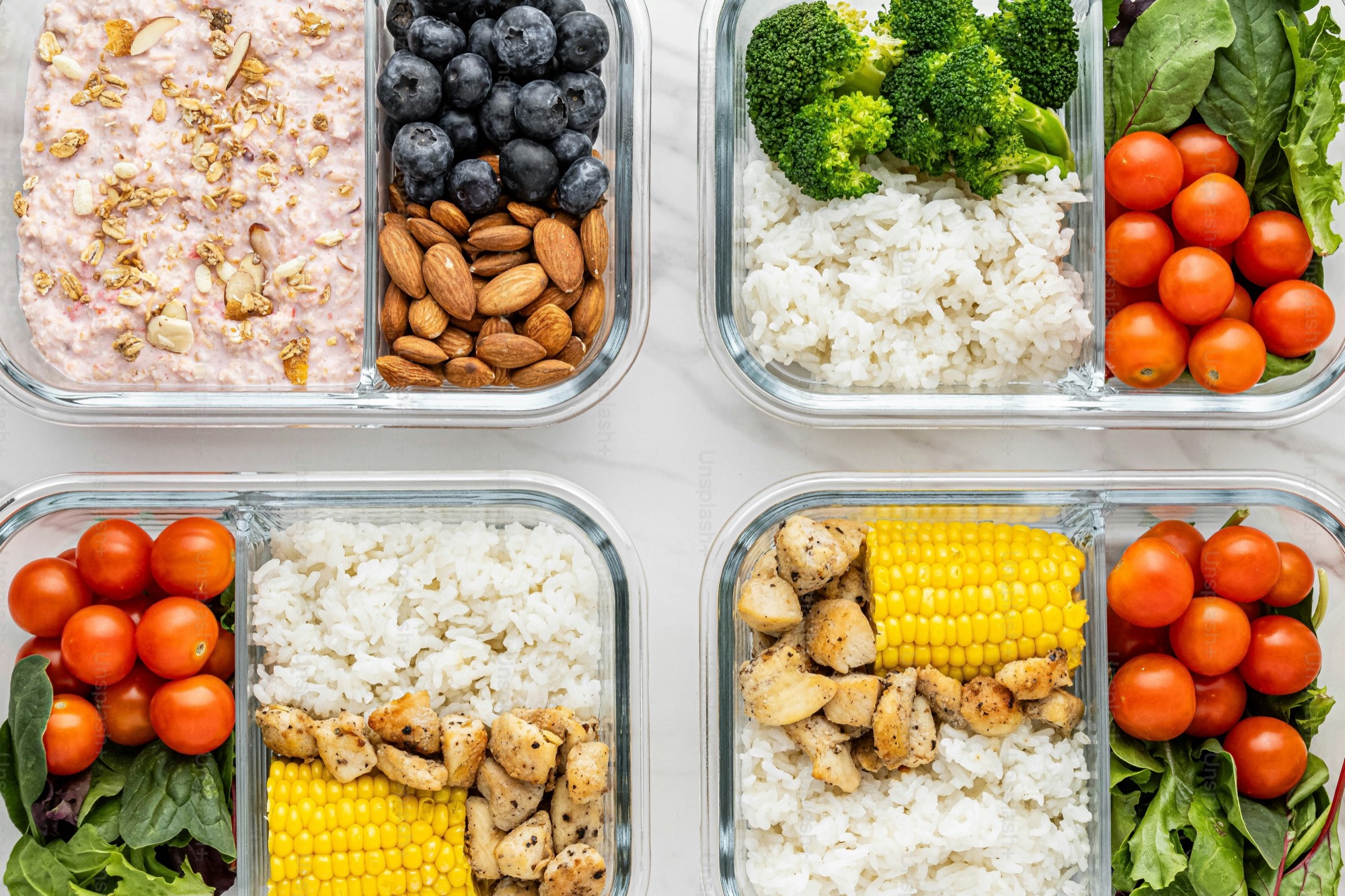
You made chicken, rice, and broccoli on Sunday. Weighed everything. Logged it. Perfect.
Then Tuesday you ate a burrito bowl from Chipotle. Weighed the steak? No, it was already in the tortilla. Logged it? Sort of, after scrolling past forty almost-right database entries. Wednesday you skipped logging altogether because you had a wrap at a friend’s place and weighing the chicken felt insane.
That’s where most macro tracking goes to die.
Do I really need a food scale to hit my macros?
For muscle-gain and fat-loss purposes, no. You need a close-enough daily total, hit consistently, for weeks. Precision to the gram on one meal means nothing if you skip the next three.
The research backs this up. The International Society of Sports Nutrition’s 2017 position stand on protein (Jäger et al.) emphasizes total daily protein intake in the 1.4 to 2.0 g/kg bodyweight range as the dominant variable, not per-meal precision. Distribution matters some. Timing matters a little. The big lever is hitting your daily number, most days, for months.
A scale makes that easier if you’re cooking the same five meals. It makes it impossible if you’re eating out, sharing food, or just living a normal life.
How accurate is eyeball estimation vs a kitchen scale?
Trained estimation is better than most people think. Experienced lifters consistently land within 10 to 15% of true portion weight on foods they eat often. That’s close enough for protein targets, close enough for calorie bands, close enough to make progress.
A few calibration tricks that actually work:
- Chicken breast: palm-sized is roughly 4 oz (25g protein). Two palms is 8 oz.
- Rice: a clenched fist is roughly 1 cup cooked (45g carbs).
- Fats: thumb-tip is roughly 1 tbsp (~14g fat).
- Fatty proteins: a hockey-puck-shaped 6 oz portion of steak or salmon is ~35g protein, ~12g fat.
Weigh your staples for a week to calibrate, then stop. Your eye becomes the scale.
The voice-first shortcut that actually works
Here’s where TrakMac changes the math. Instead of weighing or searching a database, you describe the meal out loud: “Chipotle bowl, double steak, brown rice, black beans, fajita veggies, medium salsa.”
The app uses AI to estimate macros from that description. Shows you the numbers. You confirm or adjust. Ten seconds, done.
The accuracy is about what a trained eye delivers: close-enough for targets, exact enough nowhere. Which is the right trade-off for training nutrition.
What voice logging removes:
- The database search fish-bowl of near-matches.
- The “this looks right, I’ll pick it and move on” compromise that quietly skews your numbers.
- The “I’ll log this later” that turns into “I forgot to log this.”
What it keeps: a real number in your daily total, produced in the time it takes to put the food on your face.
When you should still weigh
Two cases.
First, when you’re new to tracking and your eye isn’t calibrated yet. Spend a week weighing chicken, rice, oats, and peanut butter so you learn what 4 oz actually looks like. After that, estimation is fine.
Second, when exact numbers matter medically. Kidney issues, diabetes management, a registered dietitian’s protocol. For those, weighing is non-negotiable and voice-first tracking is explicitly the wrong tool. TrakMac says this in its own disclaimer.
For everyone else (the lifter who wants protein in range, calories in a band, and to get on with their day), close-enough tracking that you’ll actually do for six months beats precise tracking you abandon in three weeks.
Download TrakMac
TrakMac is voice-first macro tracking for people who lift. Download TrakMac free. iOS — free to download. Questions about tracking precision, targets, or how the AI estimate works are answered in the FAQ.